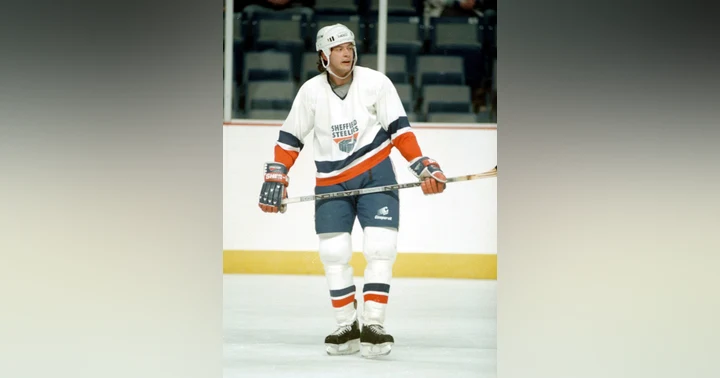
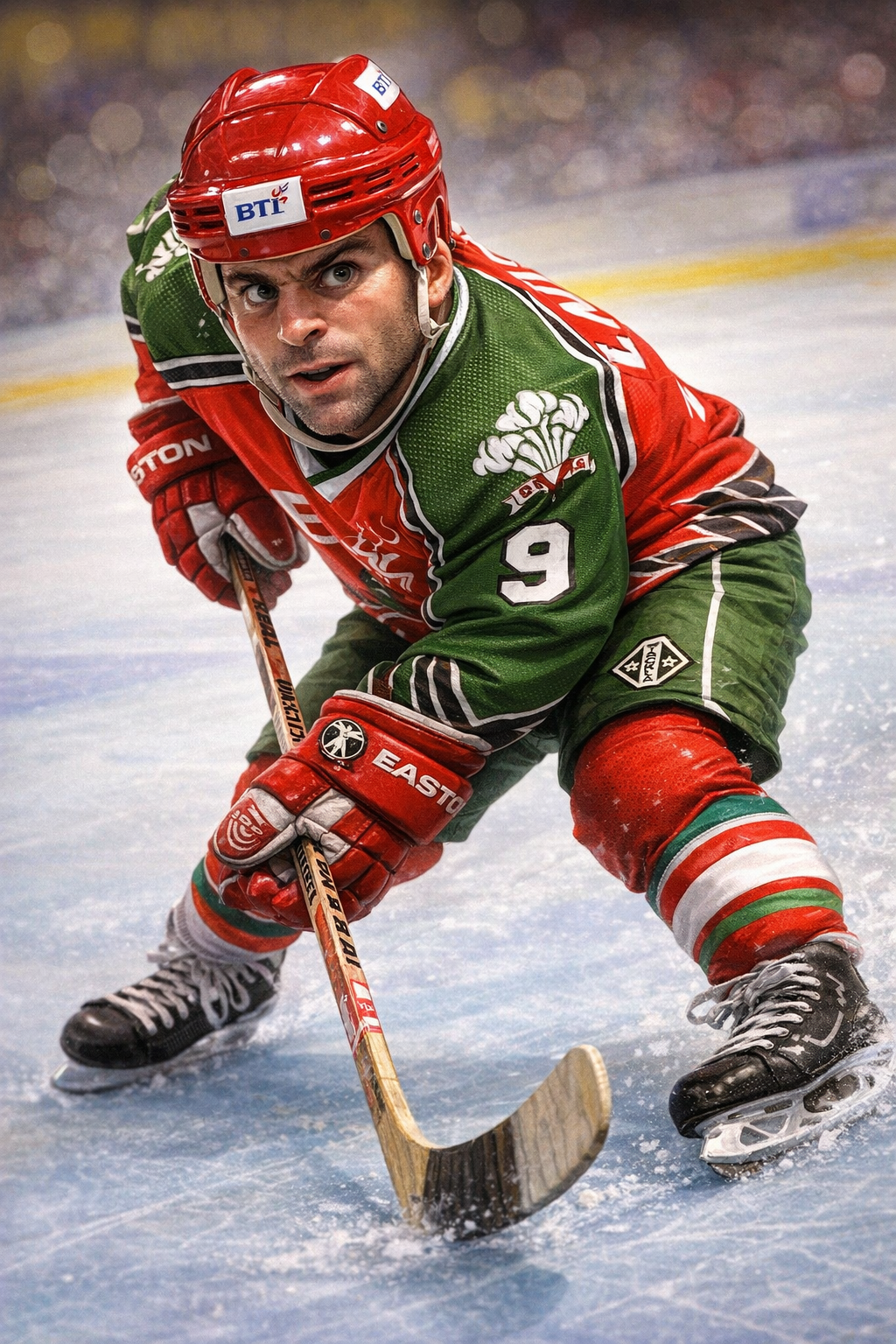
Paul Heavey – From Crossmyloof to Cardiff Glory
There was a time in British ice hockey when reputations weren't built on statistics alone. They were earned in the corners, along the boards, in front of the opposition net and whenever a teammate needed somebody to stand up for him.
Paul Heavey belonged to that generation.
A tough, uncompromising Scottish defenceman, Heavey became a familiar figure during the golden years of the Heineken League, representing the Murrayfield Racers, Solihull Barons, Peterborough Pirates and Cardiff Devils.
He wasn't a player who relied on spectacular goals or headline-grabbing scoring figures. His strengths were defensive responsibility, physical commitment, leadership and an unwavering determination to win.
Those qualities would eventually help him captain the Cardiff Devils during their championship years and establish himself as a successful coach as British hockey entered the Superleague era.
But long before the trophies, the Wembley celebrations and the pressure of coaching some of the biggest names in British hockey, there was a young Glasgow lad standing outside Crossmyloof Ice Rink.
And a pair of borrowed skates.
Crossmyloof – Where It All Began
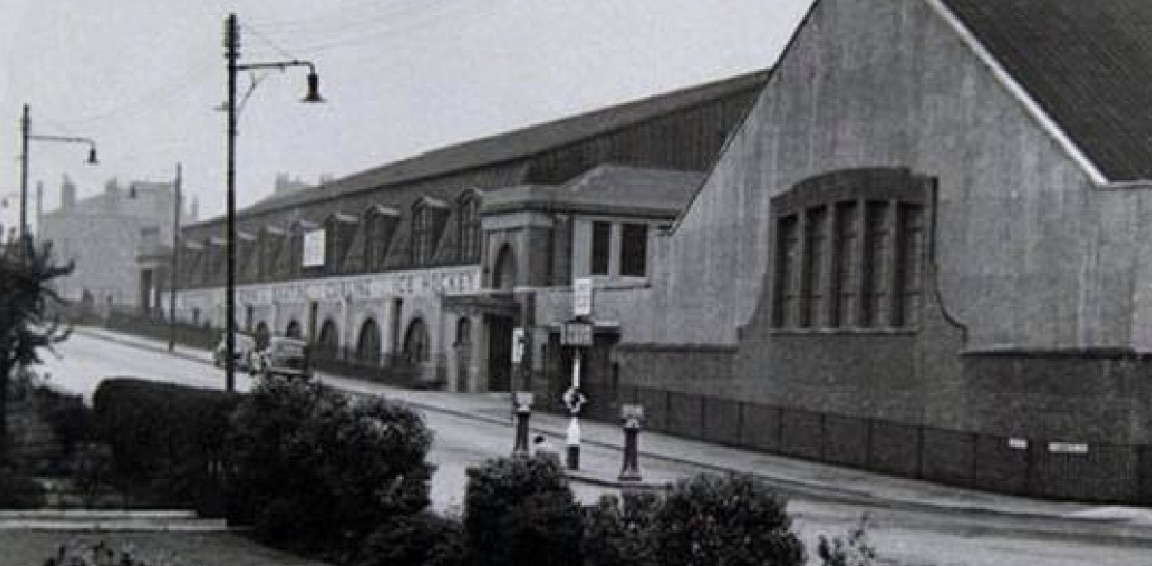
Crossmyloof Ice Rink in Glasgow, where Paul Heavey's lifelong involvement in ice hockey began.
For Paul Heavey, the journey began at Glasgow's famous Crossmyloof Ice Rink during the 1970s.
Introduced to skating through school physical education lessons, he quickly developed a passion for the ice. He remembered arriving at the rink as early as seven in the morning, despite the doors not opening until nine.
His reason was simple. He wanted first choice of the hire skates!
One morning, while watching hockey players through the rink windows, he encountered a friend carrying a hockey stick and equipment bag.
Invited inside, Heavey met Sammy Stevenson, who asked whether he could skate.
He admitted he wasn't particularly good.
Stevenson found him a stick and a pair of woolly gloves, and that was enough to get him started.
No expensive equipment, no organised academy programme. Just an opportunity to play.
Heavey was hooked.
His early development took him through the Glasgow Mustangs, Glasgow Red Wings and eventually the senior Glasgow Dynamos.
It was a tough introduction to British hockey, with physical games, colourful characters and the occasional confrontation that wouldn't have looked out of place in Slap Shot.
But it taught Heavey lessons that would remain with him throughout his career.
How to compete, how to look after teammates and how to stand his ground.
Murrayfield Racers – Wembley Glory
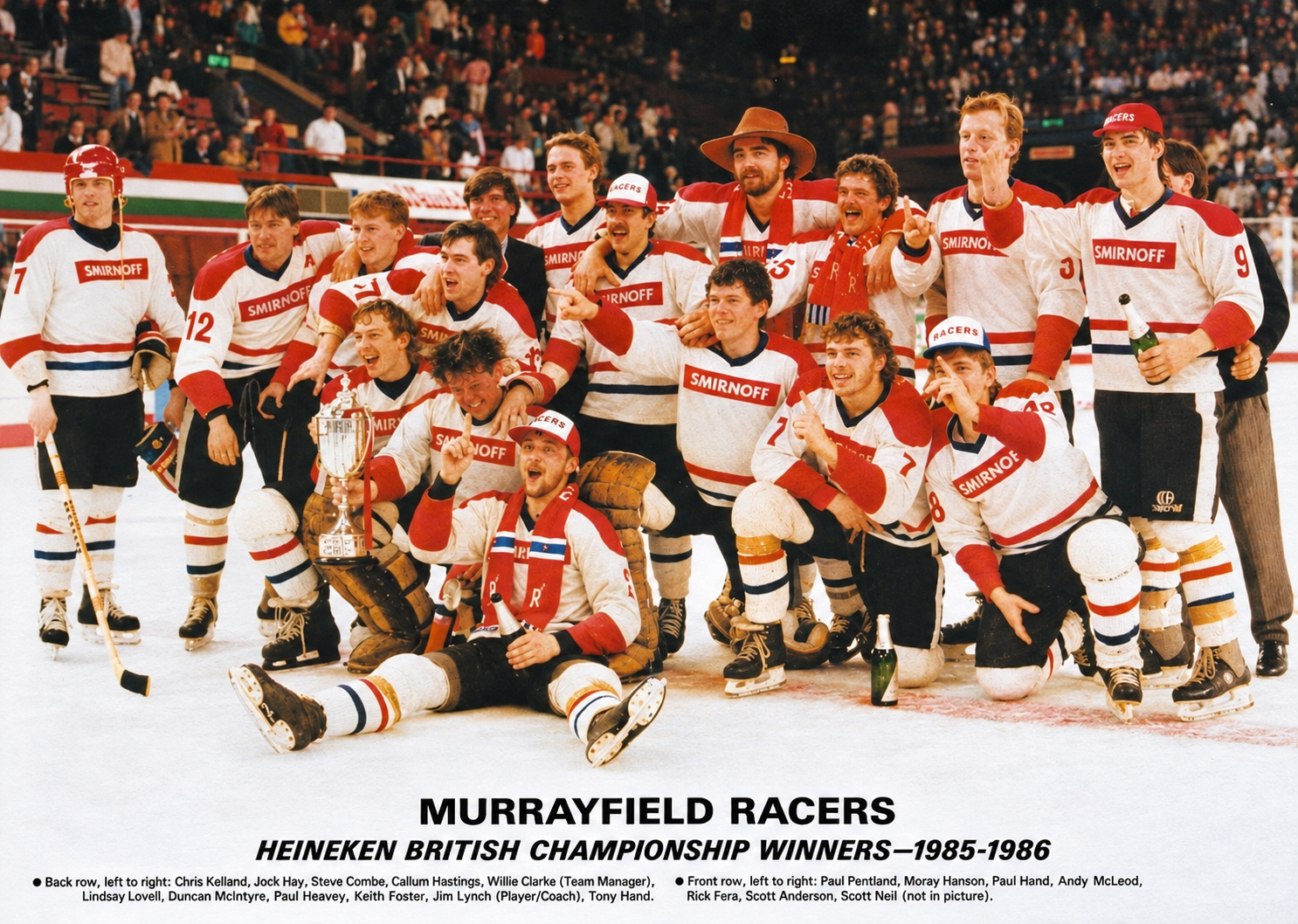
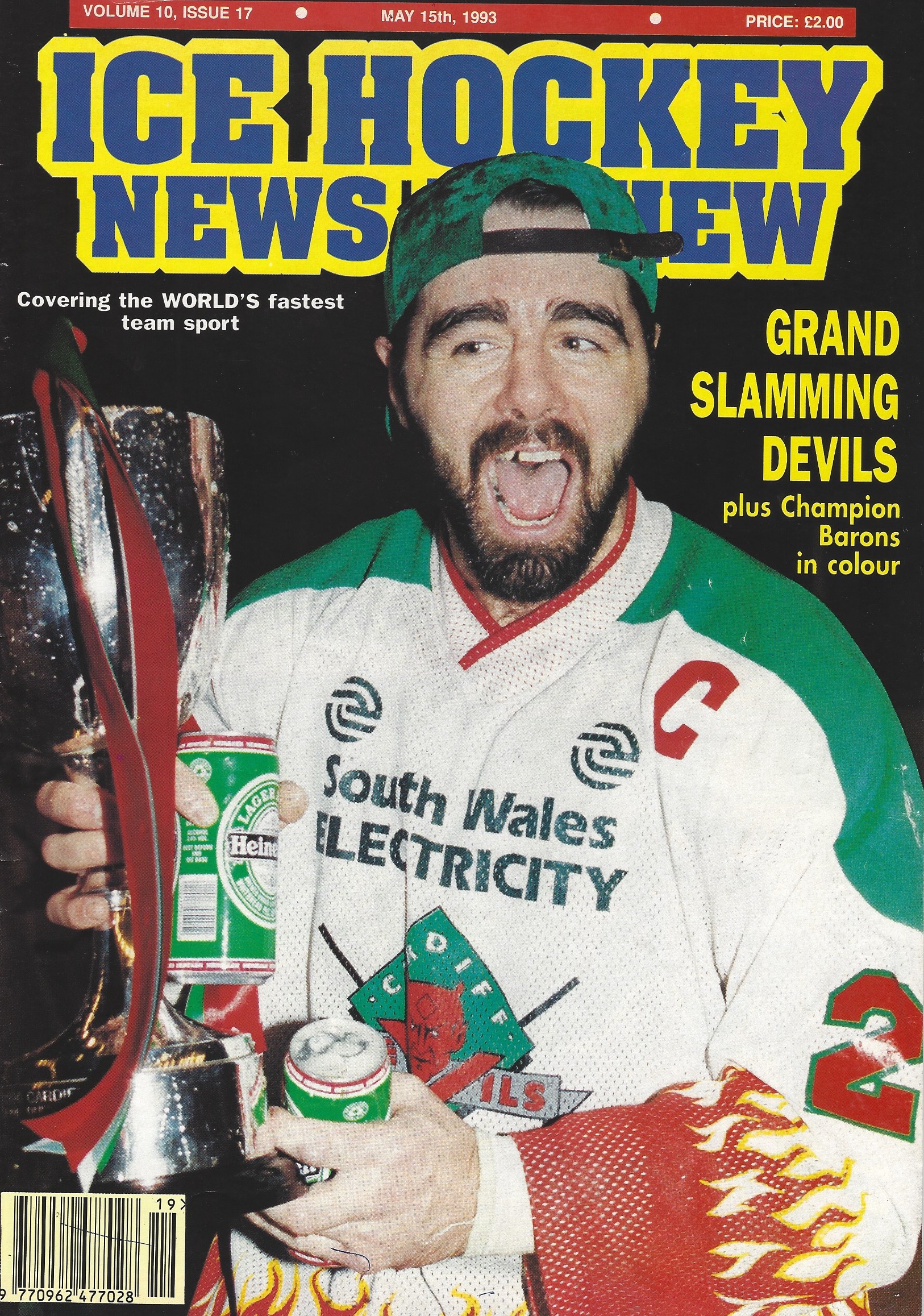
Champions! The Murrayfield Racers celebrate their 1985–86 Heineken British Championship triumph. Paul Heavey, sporting a cowboy hat, stands proudly among his teammates following their Wembley success.
Heavey's move to the Murrayfield Racers brought him into one of the most successful teams of the early Heineken League years.
The Edinburgh club combined talented British players with experienced imports and had established itself as a major force in domestic hockey.
Among Heavey's teammates were Paul Hand, Tony Hand and Chris Kelland.
He developed a particularly close relationship with Paul Hand, whose dedication and commitment he greatly admired.
The emergence of the teenage Tony Hand was another memorable part of those years.
Even at a young age, Tony possessed extraordinary ability, but his talent sometimes attracted unwanted physical attention from opponents.
Heavey recalled how he and Paul Hand would make sure the youngster was protected whenever opposition players attempted to intimidate him.
It was simply part of the game in those days.
Another player who made a lasting impression was Chris Kelland, whose remarkable stamina and work rate appeared almost limitless.
The Racers were a close-knit team, and that spirit helped carry them to one of Heavey's proudest moments.
Wembley 1986.
For supporters who experienced the old Wembley Playoff Finals Weekend, the atmosphere was unforgettable.
Thousands of fans travelling from across Britain, club colours everywhere and the noise inside Wembley Arena creating an occasion unlike anything else in domestic hockey.
Murrayfield had experienced disappointment at Wembley before, but in 1986 the Racers finally lifted the playoff championship trophy.
For Heavey, the victory was about more than winning a medal.
It represented the friendships, sacrifices and camaraderie that had helped make the team successful.
Years later, he still remembered the special relationship between players and supporters during those Heineken League seasons.
It was a time when fans and players often knew one another personally, travelled together and shared experiences that extended well beyond the rink.
Solihull, Peterborough and the Journey South
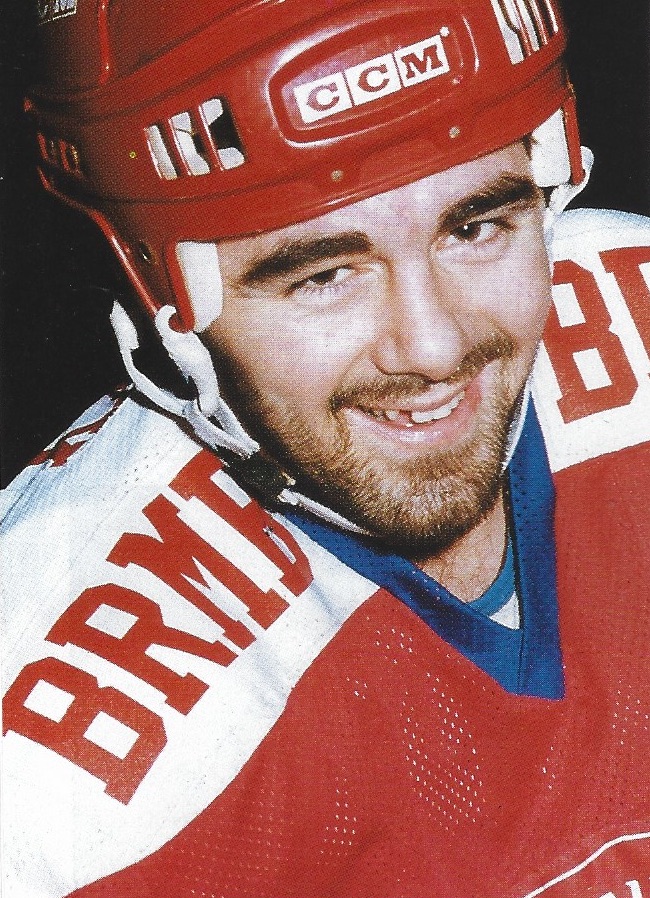
Paul Heavey during his Solihull Barons years, a colourful chapter of his Heineken League career.
Following his Murrayfield years, Heavey's career took him south to the Solihull Barons.
If Murrayfield had provided championship success, Solihull offered an entirely different experience.
Heavey later recalled a dressing room filled with extraordinary personalities, unpredictable incidents and enough off-ice stories to fill a book.
The hockey itself could be just as eventful.
During his second spell with the Barons, Heavey was given greater attacking freedom, particularly on the power play.
Playing alongside talented forwards such as Rick Fera and Jim Main, his responsibility was often to position himself directly in front of the opposition goaltender.
He would create traffic, obstruct the netminder's view and absorb whatever punishment came his way.
It wasn't glamorous, but it was effective.
And it suited his playing style perfectly.
A subsequent move to the Peterborough Pirates brought him into contact with former NHL star Gary Unger.
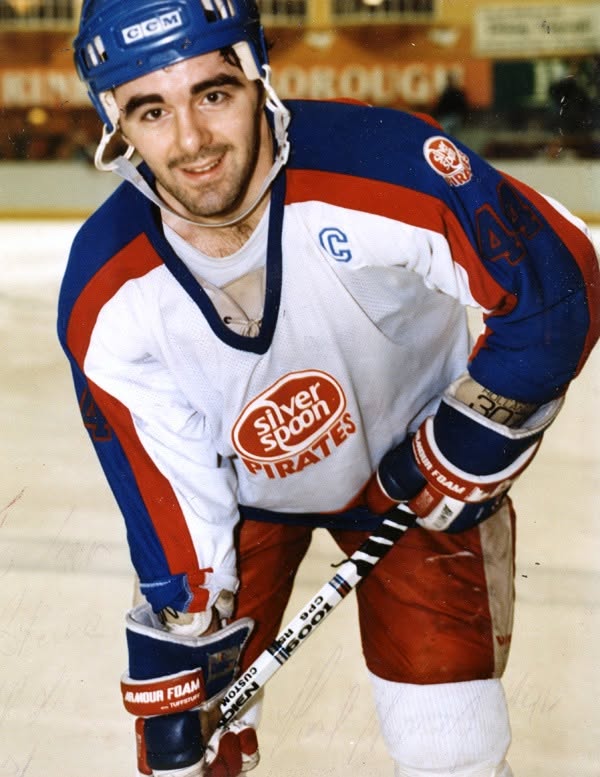
Paul Heavey during his Peterborough Pirates playing career, where he worked alongside former NHL star Gary Unger.
Heavey had already admired Unger's ability as an opponent, but working with him provided an opportunity to learn from someone who had experienced hockey at the highest level.
He particularly remembered listening to Unger's stories about his NHL career during a lengthy journey to an appeal hearing.
For Heavey, those conversations were an education in themselves.
Peterborough offered another important chapter in his career, but the move that would ultimately define his place in British hockey history was still to come.
Cardiff Devils – Captain, Champion and Leader
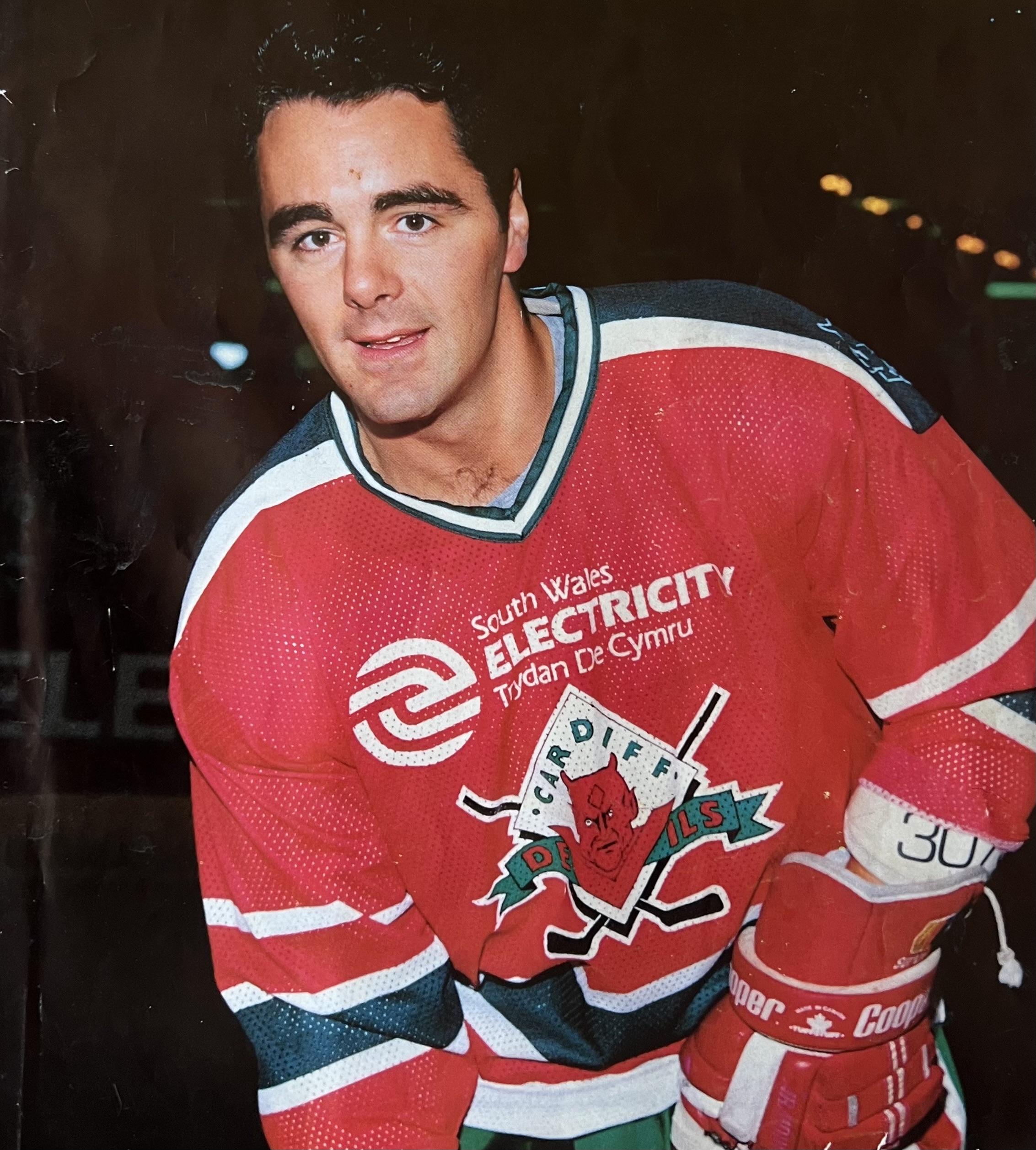
Paul Heavey in Cardiff Devils colours during the club's championship-winning Heineken League years.
When Paul Heavey joined the Cardiff Devils, he arrived at a club rapidly establishing itself among British hockey's elite.
Cardiff had brought a new level of ambition and professionalism to the Heineken League.
The facilities, organisation and financial backing were a considerable change from some of the environments Heavey had experienced earlier in his career.
But success still depended on what happened on the ice.
And Heavey understood exactly what was required.
His uncompromising defensive play, experience and leadership made him an important figure in the Devils' dressing room.
He eventually became club captain, leading a team containing some of the most talented players in British hockey.
The early 1990s were extraordinary years for Cardiff supporters.
The Devils collected major honours, developed fierce rivalries and established themselves as one of the dominant clubs of the era.
For Heavey, lifting trophies as captain represented the culmination of a remarkable journey.
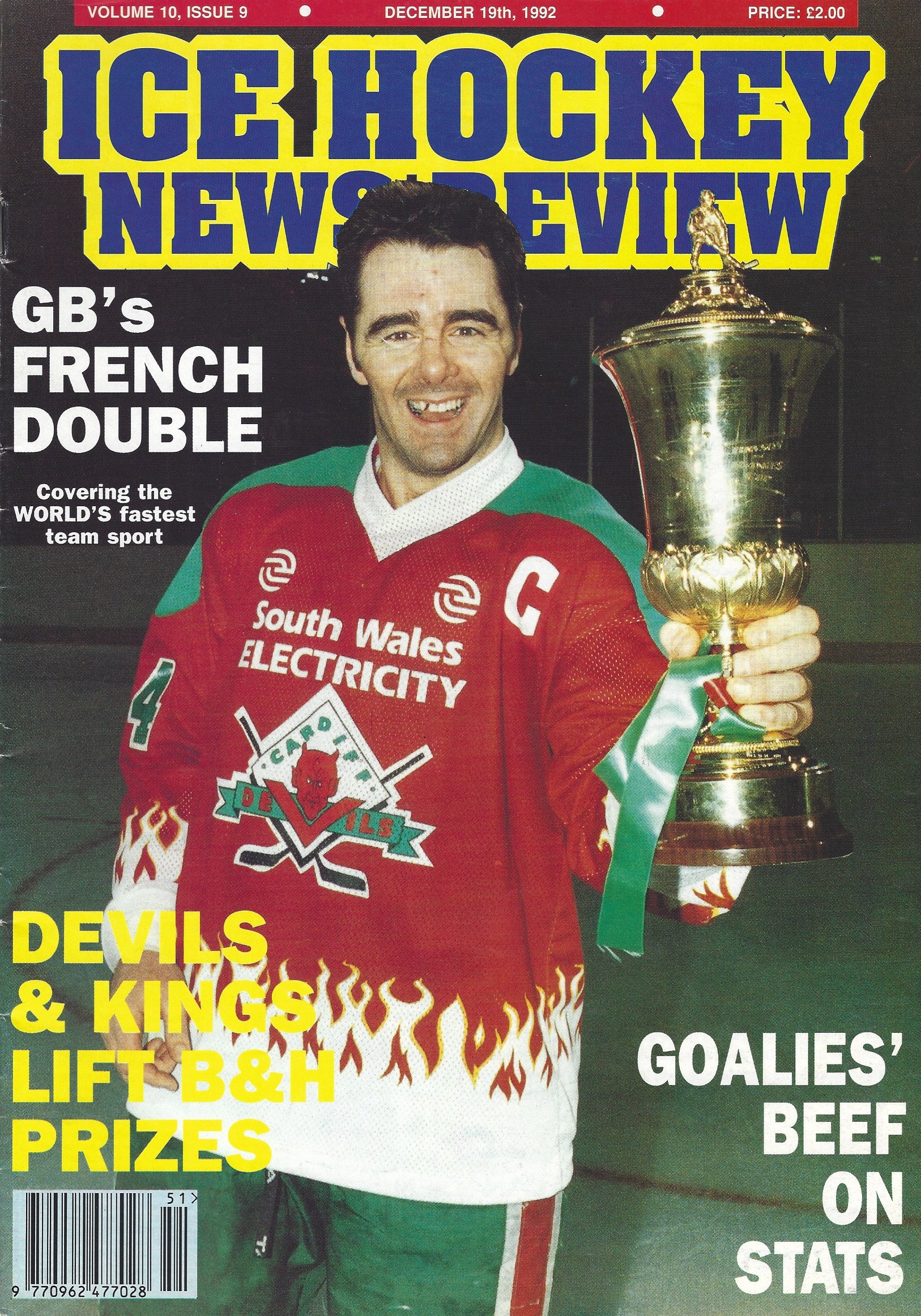
From a youngster learning to skate at Crossmyloof to standing in front of thousands of supporters celebrating championship success, it was a long way from those borrowed woolly gloves.
Heavey remembered the pride of collecting trophies on behalf of his teammates.
He also recalled the characters who made those Cardiff dressing rooms so memorable.
Among them were Shannon Hope, the Cooper brothers and a young Nicky Chinn.
Chinn particularly impressed Heavey with his confidence, strength and willingness to stand up to anybody.
They shared a similar approach to hockey: compete hard, protect teammates and never take a backward step.
Those qualities helped define Cardiff during one of the most successful periods in the club's history.
But eventually, years of physical hockey began to take their toll.
From Captain to Championship-Winning Coach
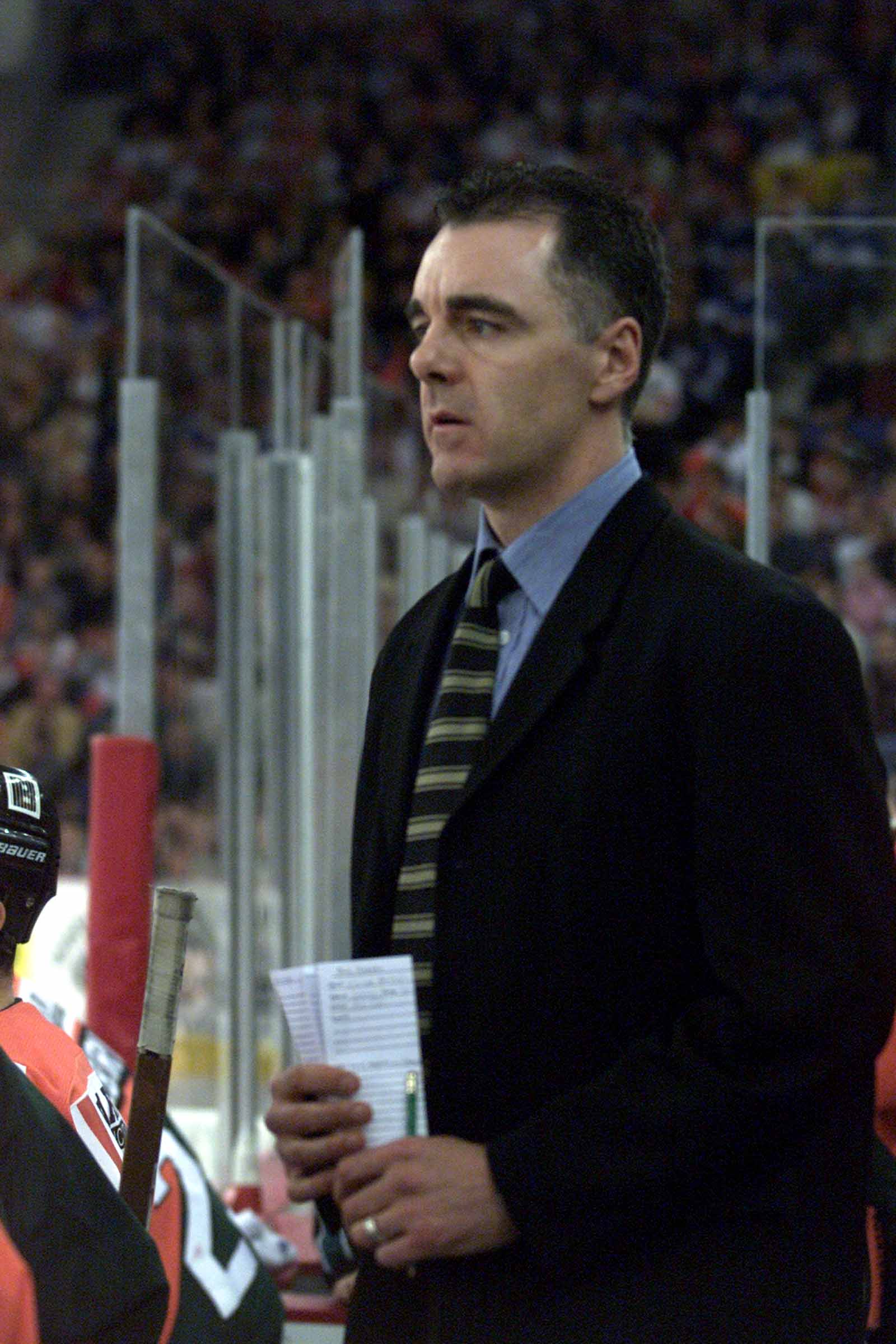
Paul Heavey behind the bench after making the transition from championship-winning player to coach.
For a player whose career had been built on physical commitment, the injuries were almost inevitable.
Heavey suffered serious knee ligament damage, shoulder problems and a significant foot injury.
Eventually, the combination of injuries and changes to Cardiff's playing roster brought his career on the ice to an end.
It was a difficult moment.
Heavey recalled being told by coach John Lawless that the Devils needed to make changes, but that an opportunity existed for him to remain involved as an assistant coach and work with the club's junior programme.
He later remembered walking around Cardiff for hours, struggling to accept that his playing days were effectively over.
However, what initially felt like the end of one career became the beginning of another.
When Lawless departed, Heavey stepped into the head coaching position.
Suddenly, the former captain was responsible for recruiting players, organising practices and managing men who had previously been his teammates.
The transition was anything but easy.
Heavey recalled the enormous administrative workload, late nights and the challenge of earning respect in a new role.
But he approached coaching with the same determination that had characterised his playing career.
He studied the game, attended coaching clinics and worked to improve his knowledge.
And the results followed.
Cardiff enjoyed considerable success under Heavey's leadership, including the inaugural British Superleague championship in 1996–97.
His original Powerplay magazine profile, published in August 1997, recorded an impressive early coaching record.
Across the 1995–96 and 1996–97 league seasons, Cardiff had won 56 of their 78 games, losing just 16 and drawing six.
It was an outstanding achievement for a relatively inexperienced head coach.
Heavey would also guide the Devils to further playoff success during the Superleague years.
His ability to manage strong personalities became increasingly important as British hockey attracted more experienced overseas professionals.
Players such as Mike Ware, Mike MacWilliam and Ivan Matulik brought considerable ability, but also presented the challenges that came with managing a competitive professional dressing room.
Of those players, Heavey spoke particularly warmly about Matulik, admiring his professionalism, character and leadership.
For a man who had himself captained successful teams, those qualities mattered enormously.
The Later Years – And Giving Something Back
After his long association with Cardiff, Heavey's coaching career took him back to Scotland with the Ayr Scottish Eagles.
There he enjoyed another memorable success, guiding the Eagles to a Challenge Cup triumph over the Belfast Giants.
The 5–0 victory in Belfast was particularly satisfying after Ayr had struggled against the Giants in previous encounters.
Further coaching opportunities followed, including spells associated with Manchester, Paisley and Sheffield.
But perhaps one of the most rewarding aspects of Heavey's later involvement in hockey came through working with young British players.
His coaching experience included the Great Britain Under-20 programme, where he worked alongside respected figures such as Peter Russell and Tommy Watkins.
Heavey believed passionately in developing homegrown talent and creating opportunities for youngsters to progress into senior hockey.
One particularly memorable experience involved a junior training camp in Sheffield.
With the help of Steelers coach Paul Thompson, several established British players joined the youngsters on the ice.
For the children, skating alongside their heroes was an unforgettable experience.
For Heavey, watching their excitement provided a reminder of why he had fallen in love with the game in the first place.
Paul Heavey – A Career Worth Remembering
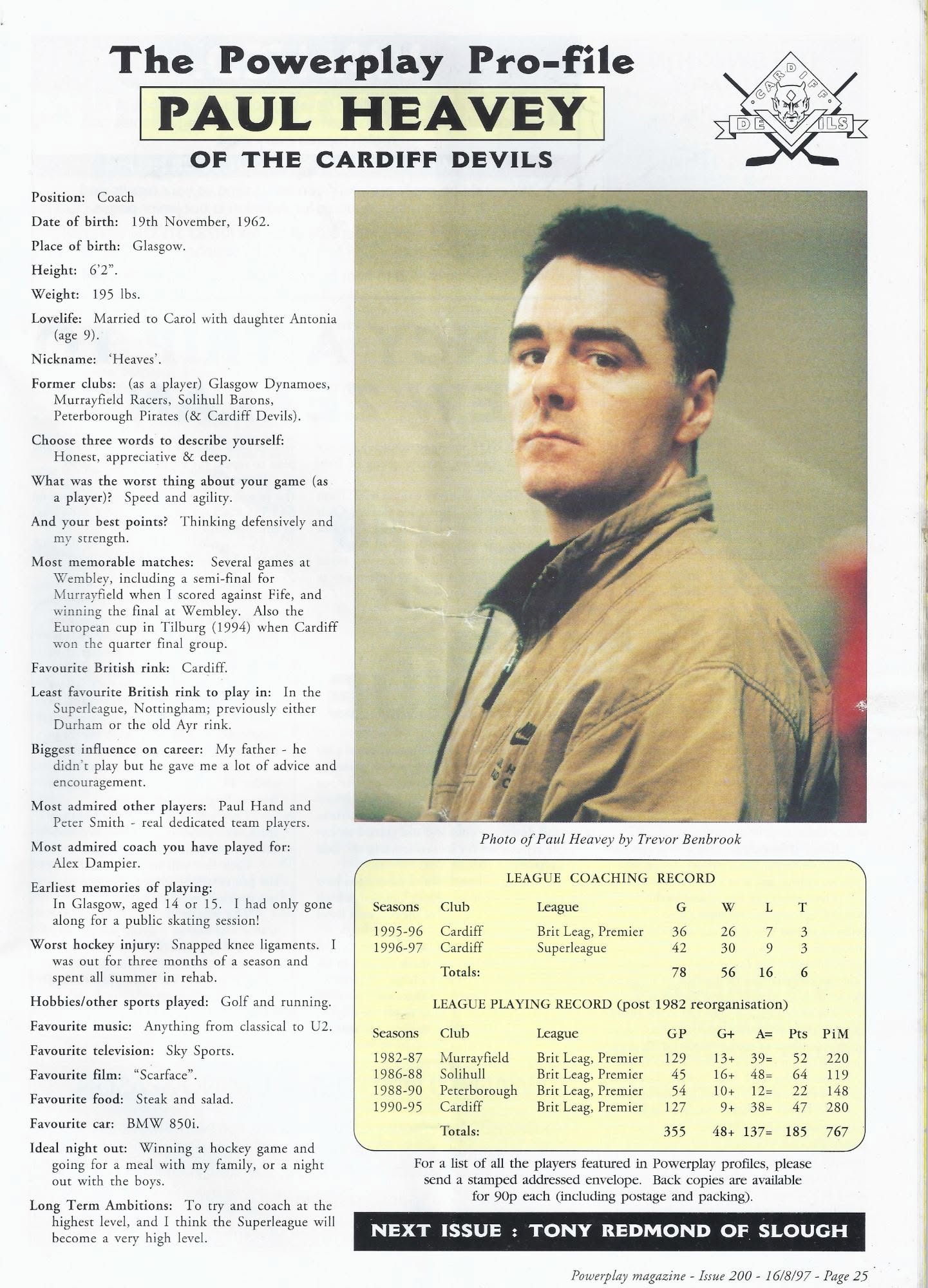 Paul Heavey's Powerplay Pro-file, published in Issue 200 on 16 August 1997.
In an August 1997 interview with Powerplay magazine, Heavey was asked to describe himself in three words.
His answer was:
"Honest, appreciative & deep."
He named his father as the biggest influence on his career, explaining that although he had never played hockey, he had always offered encouragement and advice.
His most admired players were Paul Hand and Peter Smith, while Alex Dampier was the coach he respected most.
Those answers provide a revealing insight into the qualities Heavey valued.
Loyalty, dedication, hard work and respect.
His career took him through several remarkable generations of British ice hockey.
He experienced the rough-and-ready Scottish game of the 1970s, the fierce rivalries of the Heineken League, the championship celebrations of the Cardiff Devils and the transformation brought about by the British Superleague.
He lifted trophies as a player, captained one of the country's most successful clubs and went on to become a championship-winning coach.
And when the professional coaching years were behind him, he continued passing on his experience to the next generation.
From Crossmyloof to Cardiff, from Wembley celebrations to championship success behind the bench, Paul Heavey played his part in some of British ice hockey's most memorable years.
A tough competitor, a respected leader and a man whose contribution extended far beyond his playing days.
A British hockey career well worth remembering.
Sources and acknowledgements: Paul Heavey's interview with the 4000 and Counting podcast; Powerplay magazine, Issue 200, 16 August 1997; and historical career records.
OLD TIME HOCKEY UK – Reliving British Hockey's Golden Years.

Ken Abbott is the creator and host of Old Time Hockey UK, celebrating the players, teams, rinks and unforgettable moments from British ice hockey’s golden years.
A Nottingham Panthers supporter since the early 1980s, Ken has been involved with British hockey for more than four decades, including over 20 years in the hockey retail business.
He launched the Old Time Hockey UK podcast in 2014, interviewing many of the players, coaches and personalities who helped shape the British game. Today, Old Time Hockey UK brings together those podcast conversations with archive stories, classic games, legendary players and memories from the rinks we still miss.
Steve Carpenter – The Hard-Hitting Defenceman Who Left His Mark on British Ice Hockey